



What Is Cytotoxic Drug Manufacturing?
Written by Dr Vanessa Kee (Global Marketing Lead), Mark Weir-Smith (Head of Manufacturing, Drug Product), Kevin Arts (Head of Quality, Drug Product), Brett Alderson (General Manager, Perth)
Table of contents
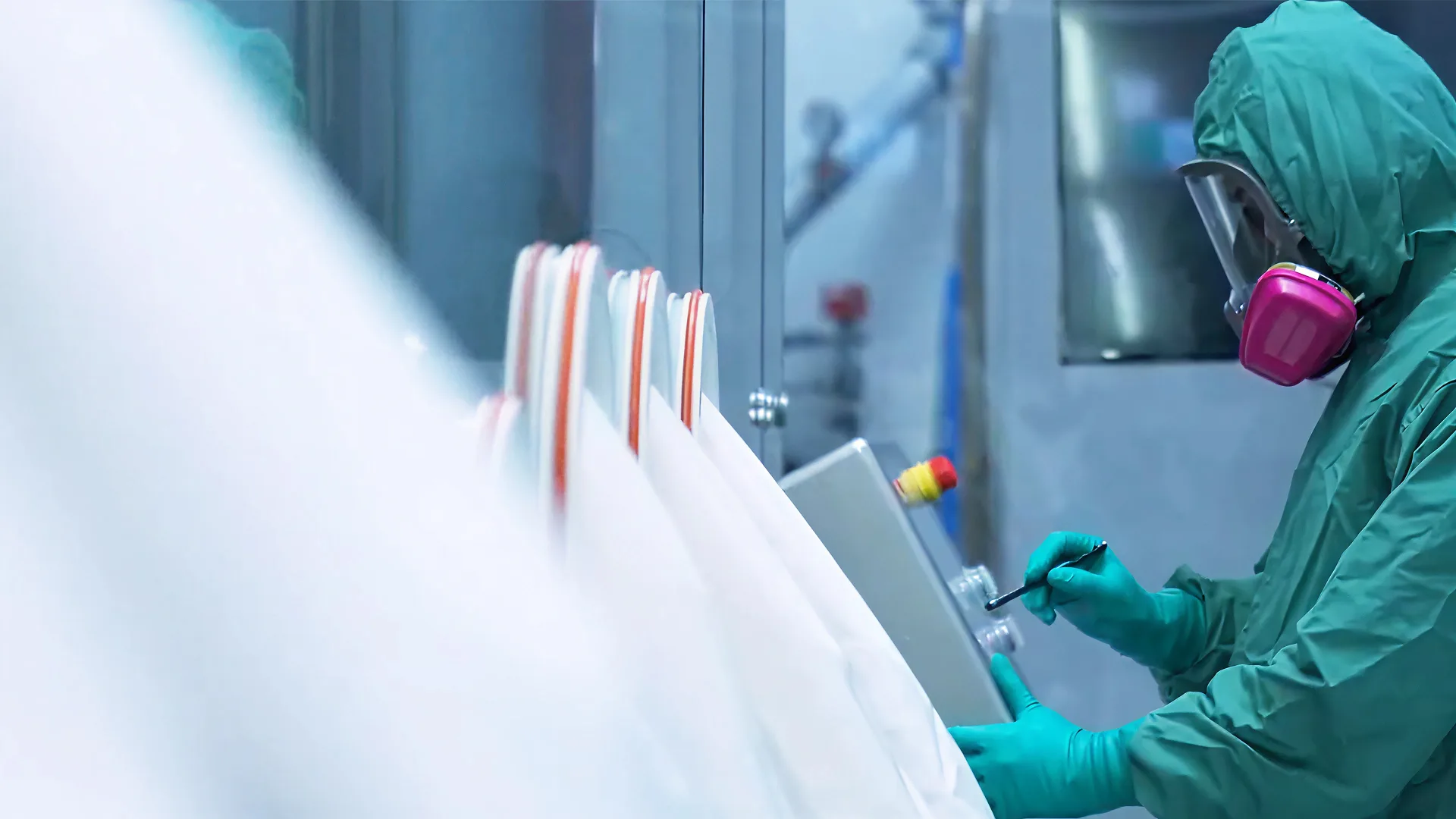
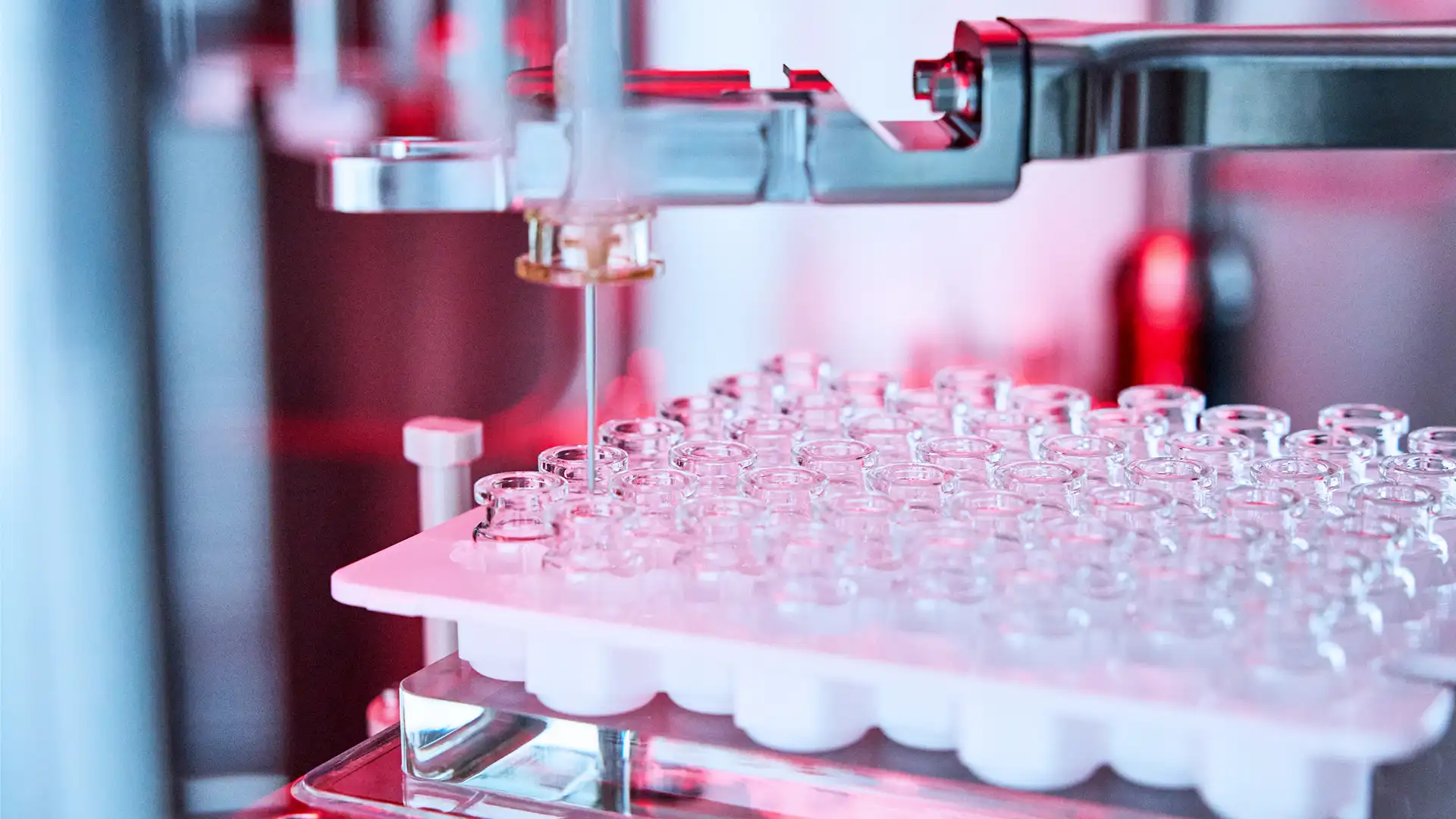
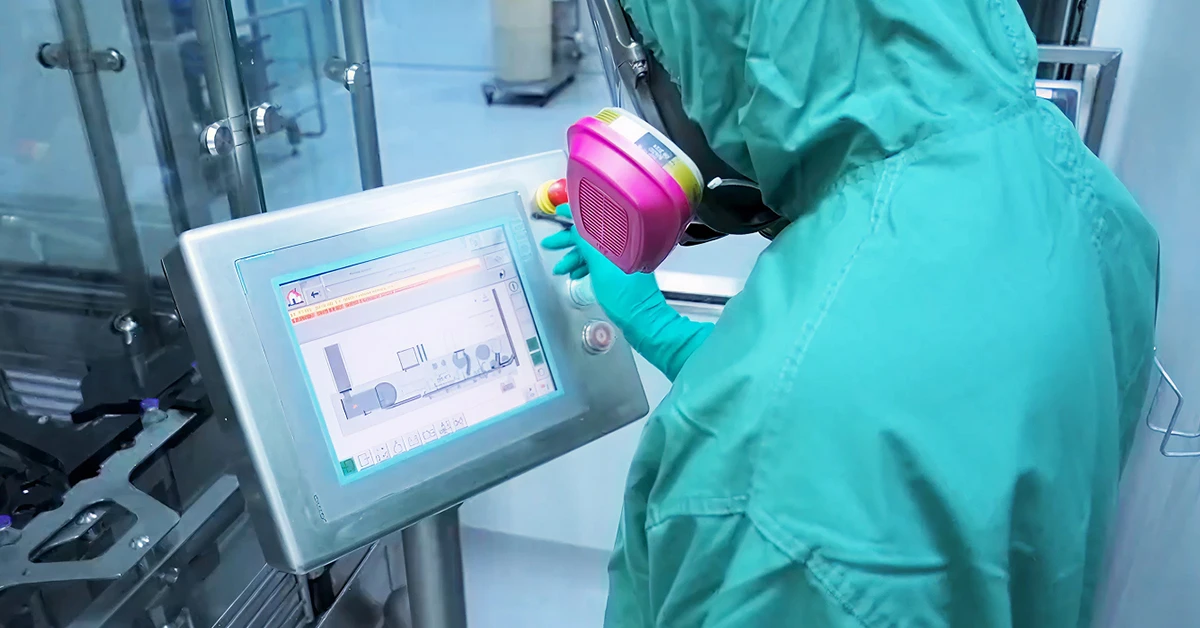
Cytotoxic drug manufacturing is a specialized area of pharmaceutical production focused on the safe handling, formulation, and fill-finish of compounds that are toxic to living cells. Most cytotoxic drugs are used in oncology to treat cancer. Their mechanism of action, targeting rapidly dividing cells, makes them among the most potent and hazardous substances manufactured in pharmaceutical facilities and why specialist oncology CDMO capability is essential for programs in this category. For this reason, cytotoxic drug manufacturing operates under a distinct set of containment, safety, and regulatory requirements that go significantly beyond standard GMP sterile manufacturing.
What Are Cytotoxic Drugs?
The term cytotoxic describes compounds that are toxic to cells. In pharmaceutical manufacturing, the category primarily includes:
- Chemotherapy agents used in oncology treatment, including antimetabolites, alkylating agents, anthracyclines, and vinca alkaloids
- Oncology immunomodulators and certain targeted therapies with cytotoxic mechanisms
- High-potency active pharmaceutical ingredients (HPAPIs) with occupational exposure limits at or below microgram-per-cubic-meter concentrations
These compounds are classified using occupational exposure bands (OEBs). OEB 4 and OEB 5 compounds require the most stringent containment measures. While cytotoxic drugs provide clinical benefit to patients, as cross-contaminants in a manufacturing environment they pose serious risk to operators and to other products. This dual nature is what makes cytotoxic drug manufacturing both technically demanding and operationally distinct from general sterile injectable manufacturing.
Why Cytotoxic Drug Manufacturing Requires Dedicated Facilities
Cytotoxic manufacturing and high-potency sterile manufacturing cannot safely share infrastructure with standard pharmaceutical production. The risk of product-to-product cross-contamination, environmental spread, and operator exposure requires physical separation at the facility level.
A purpose-built cytotoxic manufacturing environment includes:
- A self-contained manufacturing area, physically separated from the broader facility with its own HVAC, environmental monitoring, and quality systems
- Dedicated containment fill-finish infrastructure, designed and validated for cytotoxic and high-potency non-cytotoxic products under controlled changeover and cleaning protocols
- Validated cleaning and decontamination procedures specific to cytotoxic residue limits
- Operators trained in cytotoxic-specific handling, gowning, and emergency response protocols
- Dedicated waste handling processes compliant with cytotoxic waste disposal regulations
Manufacturing cytotoxic drugs without this dedicated infrastructure creates regulatory risk, supply chain risk, and patient safety risk that most pharmaceutical companies cannot accept. BioCina’s cytotoxic manufacturing facility is purpose-built and physically separated from its broader fill-finish platform, with its own HVAC, environmental monitoring, and quality infrastructure, and has operated continuously for over 30 years through successive regulatory inspection cycles..
The Role of RABS in Cytotoxic Fill-Finish
Restricted Access Barrier Systems (RABS) are the most widely used containment technology for cytotoxic injectable fill-finish. A RABS places a rigid barrier between the operator and the aseptic filling zone, with interventions performed through gloved access ports. BioCina’s fill-finish line for high-potency and cytotoxic products operates as an open RABS configuration with positive pressure escape from the filling zone into the surrounding room, maintaining aseptic integrity within the fill zone by preventing environmental ingress.
The line is validated across 1 to 100 mL fill volumes and batch sizes from 15 L to 1,180 L with 10M+ unit annual capacity. Operator safety for high-potency compounds is managed through dedicated containment protocols, specialist gowning, and controlled room ventilation as part of the overall operator safety system.
Visual inspection of filled units is performed manually by trained, dedicated personnel following established qualification procedures.
Containment design parameters, including pressure differentials, air change rates, and environmental monitoring requirements, are determined by the occupational exposure classification of the compound and the program’s regulatory strategy. Specific configurations vary between facilities and must be validated for each compound class.
Regulatory Requirements for Cytotoxic Drug Manufacturing
Cytotoxic drug manufacturing is governed by the same GMP frameworks that HAZapply to all pharmaceutical manufacturing, including FDA 21 CFR Parts 210/211, EU GMP guidelines, and TGA requirements. Cytotoxic-specific obligations add further compliance layers:
- Dedicated facility or physically segregated suite requirements to prevent cross-contamination
- OEL and OEB documentation for each compound manufactured
- Operator health monitoring and occupational exposure assessment programs
- Validated cleaning procedures with cytotoxic-specific residue acceptance limits
- Cytotoxic waste classification and disposal documentation
Regulatory agencies inspecting cytotoxic manufacturing sites assess not only GMP compliance but the adequacy of containment infrastructure and operator safety systems. BioCina’s cytotoxic manufacturing operations are TGA-approved, with a continuous GMP compliance record built through successive TGA inspection cycles. This established regulatory standing provides a robust foundation for programs targeting Australian and global markets through TGA-approved supply.
What a Cytotoxic CDMO Partner Provides
Most clinical-stage oncology companies do not have in-house cytotoxic fill-finish capability. The capital investment, regulatory expertise, and specialized workforce required to build and qualify a compliant cytotoxic environment are prohibitive for all but the largest pharmaceutical organizations. An oncology manufacturing partner with dedicated infrastructure and established regulatory standing provides what most drug developers cannot build themselves. CDMO partnerships are the standard model for cytotoxic fill-finish at every stage of development.
A capable cytotoxic CDMO with high-potency manufacturing expertise will support:
- Feasibility assessment and formulation development for cytotoxic injectables
- Engineering and toxicology batch manufacture for regulatory submissions
- Phase I through Phase III clinical trial supply under GMP
- Process validation and scale-up for commercial manufacturing
- Multi-SKU lifecycle management for established oncology portfolios
- Technology transfer from in-house or third-party manufacturing sites
FAQs
BioCina’s Cytotoxic Manufacturing Capability
BioCina has operated a dedicated oncology fill-finish manufacturing for over 30 years. The oncology area encompasses purpose-built laboratories and RABS fill-finish lines, physically separated from the broader fill-finish platform. Fill volumes from 1 to 100 mL; batch sizes from 15 L to 1,180 L; 10M+ unit annual capacity. To discuss your oncology program, contact BioCina.

Questions About Your Program?
Whether you're planning your next step or exploring manufacturing options, our team is here to help.
Talk to Our Experts