



What Is an Isolator Filling Workcell?
Written by Dr Vanessa Kee (Global Marketing Lead), Kevin Arts (Head of Quality, Drug Product), Mark Weir-Smith (Head of Manufacturing, Drug Product)
Table of contents
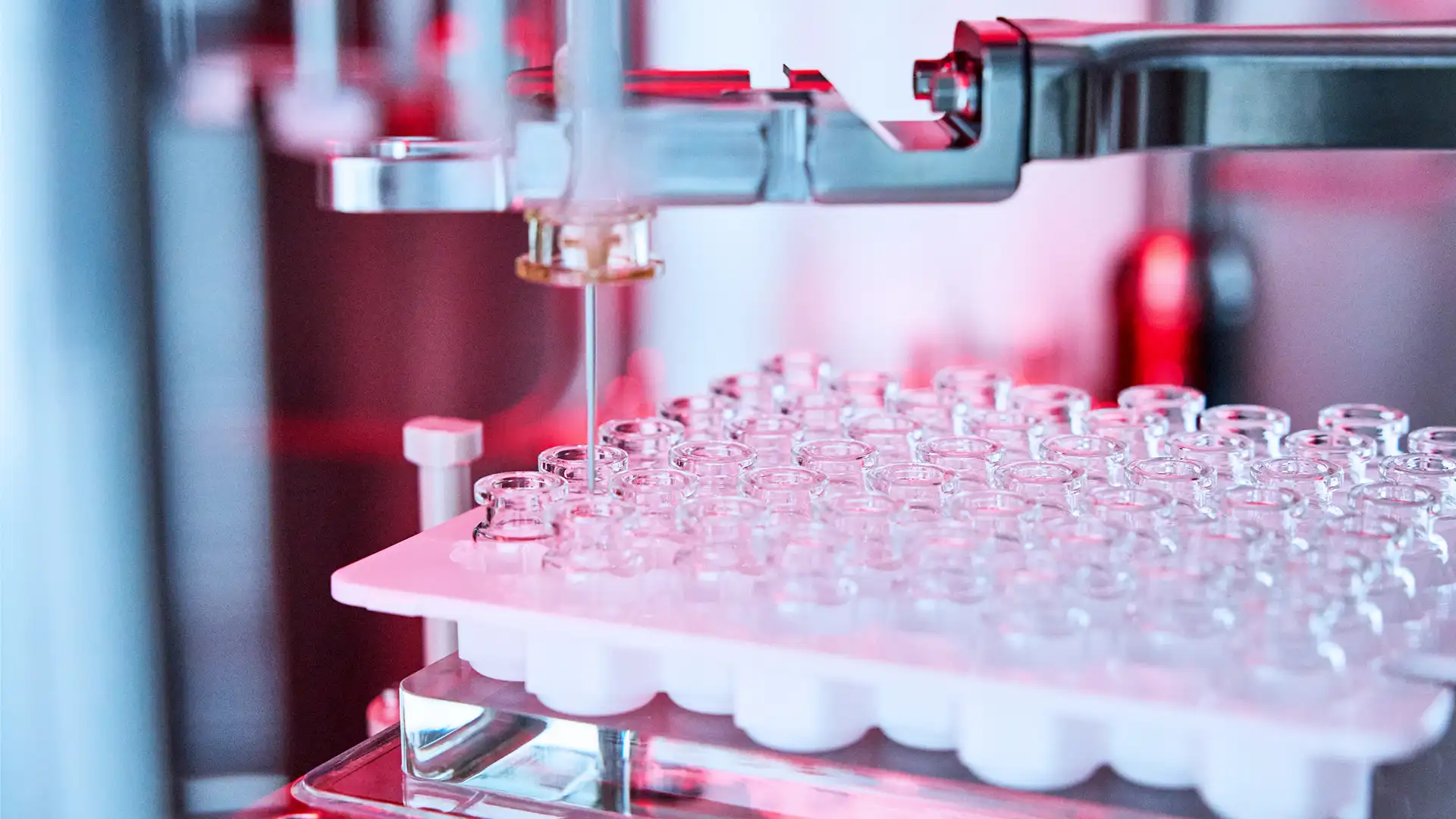
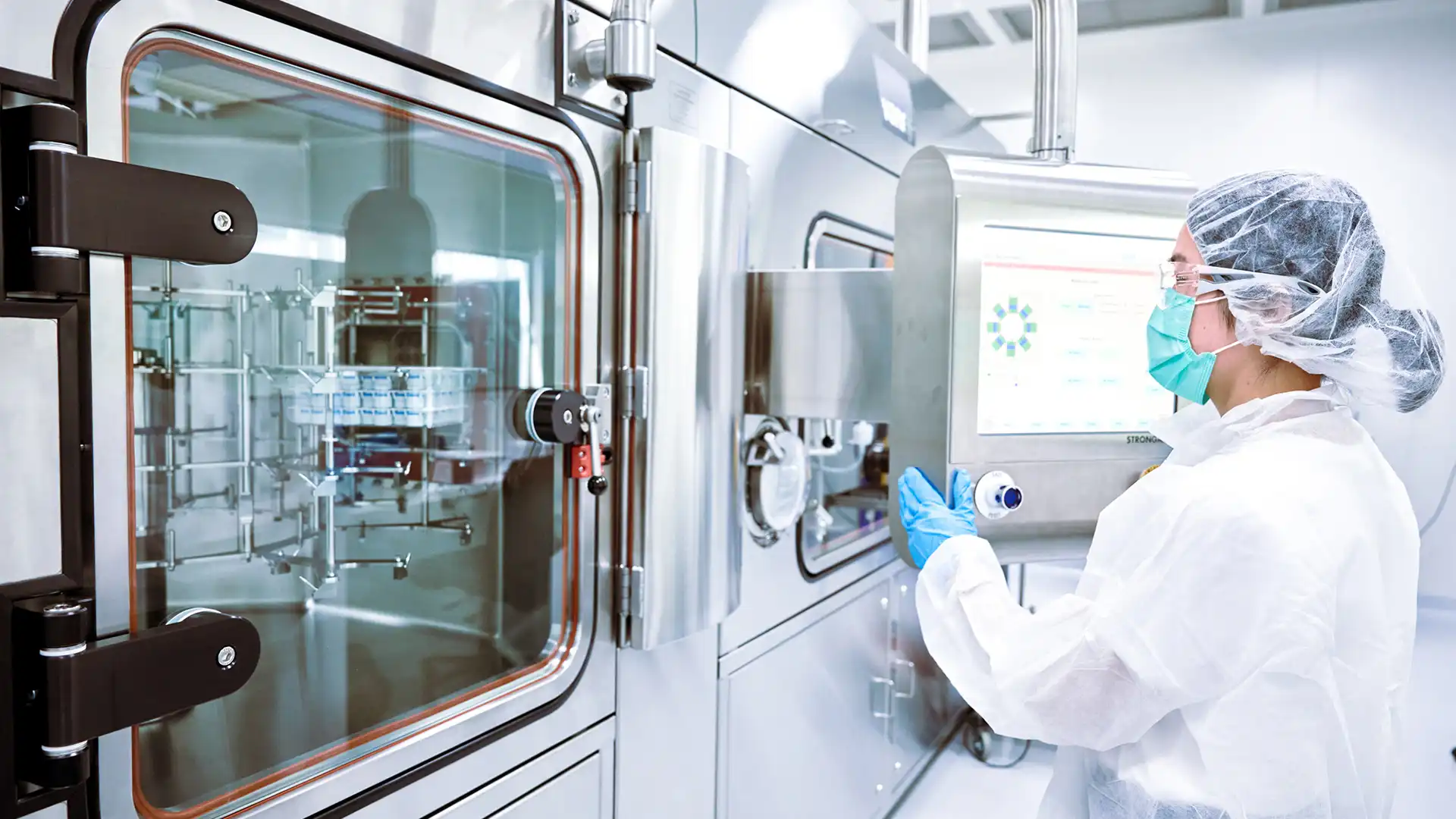
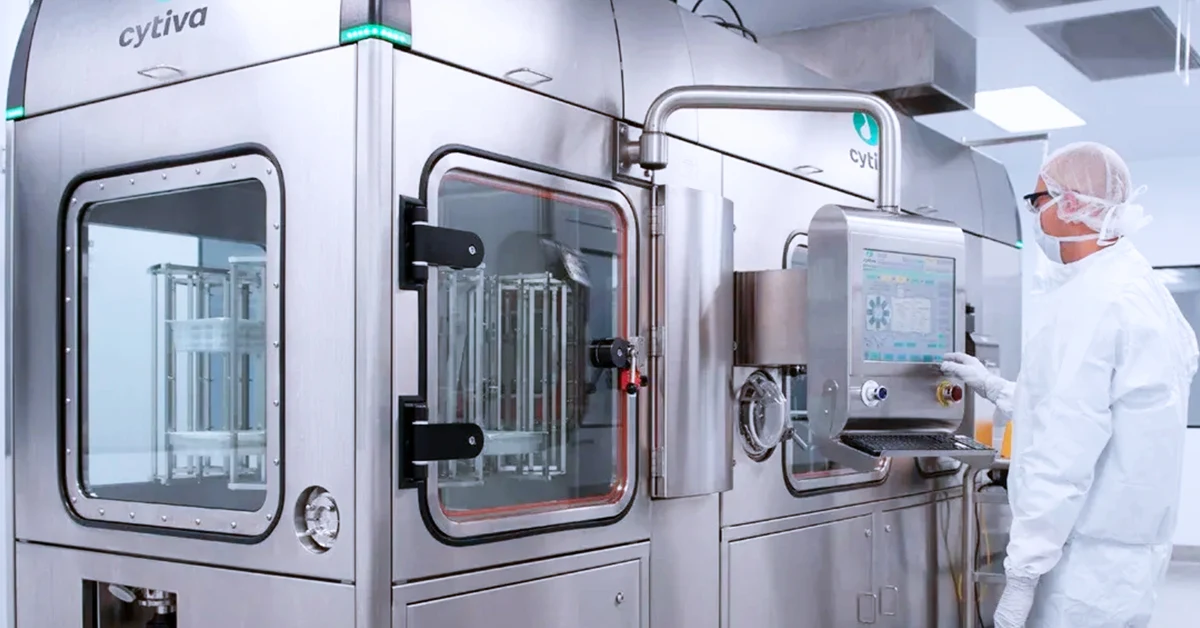
An isolator filling workcell is a robotic, closed-system aseptic filling platform designed to eliminate human presence from the critical fill environment. Purpose-built for sterile fill-finish isolator operations, it achieves the highest level of sterility assurance available in GMP pharmaceutical manufacturing. For drug developers evaluating fill-finish options, particularly for biologics, oxygen-sensitive molecules, and orphan drug programs, understanding this platform is essential to making the right manufacturing decision.
How an Isolator Filling Workcell Works
In conventional aseptic manufacturing, personnel working within cleanrooms or behind restricted access barrier systems (RABS) represent the primary source of microbial and particulate contamination.
An isolator filling workcell addresses this by operating as a fully closed system with no direct human access to the filling zone. BioCina’s SA25 Cytiva robotic aseptic isolator illustrates the design: ready-to-use (RTU) components are loaded through a biodecontamination staging chamber, where a validated sanitization cycle achieves a minimum 6-log reduction in bioburden before transfer. Filling and closure then occur in a downstream sealed filling isolator with all material handling performed robotically.
Internal air throughout the critical zone is maintained at ISO Class 5 / Grade A quality through HEPA filtration and controlled unidirectional airflow. With no glove ports and no conveyor belts passing through the fill environment, isolator fill finish eliminates the principal contamination variables present in conventional cleanroom and RABS operations entirely.
Isolator vs RABS vs Traditional Aseptic Filling
Three environments are used for aseptic fill-finish. Each offers a different level of operator separation and sterility assurance:
| Environment | Human Separation | Best Suited For |
|---|---|---|
| Traditional cleanroom | Personnel gowned and present throughout | Lower-risk formulations, high-volume commodity products |
| RABS | Rigid barrier; interventions via glove ports | High-potency and cytotoxic injectables; cost-effective aseptic isolator filling |
| Isolator filling workcell | Fully closed; robotic handling; no glove ports | Biologics, oxygen-sensitive molecules, orphan drugs, programs where maximum contamination control assurance is required |
What Products Are Best Suited for Isolator Filling
The isolator’s combination of sterility assurance, format flexibility, and containment makes it the platform of choice for:
- Biologic drug products, including monoclonal antibodies, recombinant proteins, peptides, and antibody fragments
- Oxygen-sensitive formulations requiring headspace O2 control below 5% and nitrogen blanketing
- Orphan and rare disease programs with small commercial batch sizes requiring full GMP compliance
- Clinical trial supply from Phase I through Phase III at flexible batch sizes
- mRNA, cell and gene therapy products requiring the highest achievable aseptic conditions
- Biosimilar fill-finish programs targeting FDA, EMA, or TGA regulatory submissions
Key Technical Parameters: SA25 Cytiva Platform
The SA25 Cytiva robotic aseptic isolator is one of the pharmaceutical industry’s leading isolator filling workcell platforms. Representative specifications:
| Parameter | Detail |
|---|---|
| Fill volume range | 0.5 mL to 50 mL |
| Batch size range | 0.5 L to 500 L (approx. 100 to 20,000 units) |
| Vial formats | 2 mL, 6 mL, 10 mL |
| Syringe formats | 1 mL, 5 mL (glass and plastic; luer-lock and staked needle) |
| Cartridge formats | 3 mL |
| Headspace O2 | Less than 5% achievable |
| Viscosity handling | 1 cP to 40 cP |
| Key features | Nitrogen overlay, vacuum stoppering, fully robotic material handling |
| Compliance | EU Annex 1 compliant |
| Annual capacity (BioCina) | 5M+ units |
EU Annex 1 Compliant Aseptic Filling
The 2022 revision of EU Annex 1, the European GMP guideline governing sterile medicinal product manufacture, elevated the standard for aseptic processing globally. The revised guideline requires manufacturers to implement a documented contamination control strategy (CCS) and places strong emphasis on barrier technologies, including isolators, as the preferred approach for high-risk aseptic operations.
An isolator filling workcell, with its Grade A filling environment, validated biodecontamination cycle, and fully robotic material handling, directly satisfies the contamination control requirements the 2022 revision specifies. BioCina’s SA25 isolator filling workcell is EU Annex 1 compliant, operating within a GMP sterile manufacturing environment designed for global regulatory readiness. The facility’s contamination control strategy (CCS) is documented and validated to the standards EMA regulatory inspections, making it an audit-ready option for programs targeting European market authorisation or applying EU GMP standards as a global quality baseline.
FAQs
BioCina’s Isolator Filling Workcell
BioCina operates the SA25 Cytiva robotic aseptic isolator at its sterile drug product facility. EU Annex 1 compliant. Supports glass vials (2, 6, 10 mL), pre-filled syringes (1, 5 mL in glass and plastic), and cartridges (3 mL). Fill volumes from 0.5 to 50 mL. 5M+ unit annual capacity. To discuss your program, contact BioCina’s technical team.

Questions About Your Program?
Whether you're planning your next step or exploring manufacturing options, our team is here to help.
Talk to Our Experts